
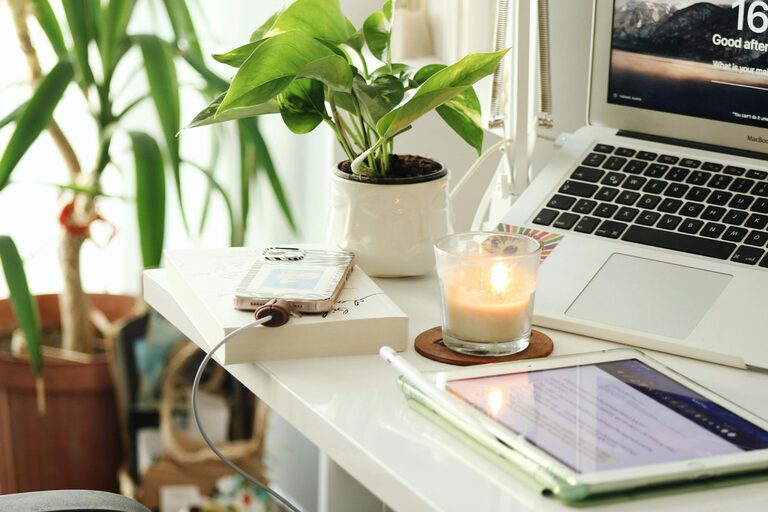

Creating a home workspace that feels both productive and relaxing is essential for anyone working remotely or spending large parts of their day at home. A well-designed environment can help reduce stress, improve focus, and boost overall well-being. Whether you have a dedicated room or just a small corner to work in, these tips will help transform your space into a calming and efficient area.
Choose the Right Location
Finding the best spot for your workspace is the first step. Aim for a place that:
– Gets plenty of natural light to keep you energized
– Is quiet or easily secluded to minimize distractions
– Has enough space for your essential equipment and allows for some movement
If possible, avoid areas that overlap with relaxation zones like the bedroom or TV room, as blending these spaces can impact your work-life balance.
Focus on Comfortable and Ergonomic Furniture
Comfort matters more than you might think when it comes to productivity and well-being. Consider:
– An adjustable chair that supports your back properly
– A desk at the right height to prevent strain on wrists and shoulders
– Using a footrest if your feet don’t reach the ground comfortably
Ergonomic furniture helps prevent discomfort and injuries, making it easier to stay focused throughout the day.
Keep Your Workspace Organized and Clutter-Free
A messy desk can lead to a messy mind. Here’s how to keep things tidy:
– Use storage organizers such as drawers, shelves, or boxes to keep supplies within reach but out of sight
– Only keep essential items on your desk and store the rest
– Regularly declutter to remove papers, cables, or gadgets you no longer use
An orderly space reduces stress and helps you find what you need quickly.
Incorporate Calming Colors and Decor
Colors affect mood and productivity. Choose soothing tones like soft blues, greens, or neutrals to create a relaxing ambiance. Avoid overly bright or distracting colors near your work area. Additionally:
– Add personal touches like artwork, plants, or photos that inspire you
– Use simple, minimalistic decor to maintain a distraction-free environment
Plants, in particular, are known to improve air quality and contribute to a sense of calm.
Use Proper Lighting
Good lighting can reduce eye strain and elevate your mood. Here are some tips:
– Maximize natural light by positioning your desk near a window
– Supplement with adjustable desk lamps that provide warm, focused light
– Avoid harsh overhead lighting or glare on your screen
Dimmable or color-adjustable lights allow you to adjust settings based on the time of day.
Minimize Noise and Distractions
A peaceful workspace improves concentration. Consider:
– Noise-canceling headphones if your home is noisy
– White noise machines or soft background music to block distractions
– Setting boundaries with household members about your work hours
Limiting interruptions helps you maintain a productive flow and reduces stress.
Establish a Routine and Break Times
Your workspace should encourage healthy work habits. Set clear routines such as:
– Start and end times to separate work from personal life
– Taking short breaks to stretch or relax every hour
– Having a designated spot for breaks away from your desk
Regular breaks improve mental clarity and prevent burnout.
Keep Technology Accessible but Uncluttered
Technology is crucial but can become overwhelming if not managed. Organize cables with clips or sleeves, and keep your devices charged and within reach. Use a wireless keyboard or mouse to reduce cable clutter when possible. Keep only the apps and tools you need open during work to avoid distractions.
Personalize Your Environment for Motivation
Add elements that lift your spirits and keep you motivated:
– Inspirational quotes or vision boards
– A small reward system, such as a favorite drink or snack for task completion
– A calendar or planner to track goals and deadlines
These touches make your workspace inviting and purposeful.
Maintain Air Quality and Ventilation
Fresh air helps productivity and well-being. Open windows when possible or use air purifiers to improve circulation. Avoid stuffiness by taking periodic breaks outside or doing light stretching.
—
By taking time to design a home workspace tailored to your comfort and productivity needs, you set yourself up for success. A relaxing yet functional environment supports better focus, creativity, and overall health—helping you feel your best throughout the workday. Remember, small changes can make a big difference, so start with one or two tips and build from there!