
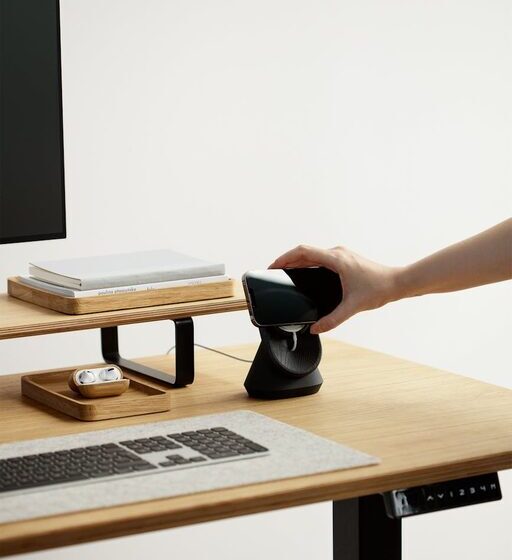

Creating a home office that is both comfortable and productive is essential in today’s world, where many people work remotely or split their time between home and office. A well-designed workspace not only helps you focus and get tasks done efficiently but also supports your wellbeing throughout the day. In this post, we’ll explore practical tips to help you set up a home office that suits your needs and lifestyle.
Choose the Right Location
The first step in creating an effective home office is finding a suitable spot within your home. Consider areas that offer:
– Natural light: Sitting near a window can improve your mood and reduce eye strain.
– Minimal distractions: Choose a quiet corner away from busy household traffic.
– Adequate space: Ensure there’s enough room for your desk, chair, and any equipment or materials you need.
If space is limited, don’t worry. Even a small nook can be transformed into a functional workspace with some creativity.
Invest in Ergonomic Furniture
Comfort is key when spending hours at your desk. Investing in ergonomic furniture can prevent discomfort and long-term health issues.
– Ergonomic chair: Look for one with adjustable height, lumbar support, and comfortable cushioning.
– Desk height: Your desk should allow your arms to rest comfortably at a 90-degree angle.
– Monitor placement: Position your computer screen at eye level to avoid neck strain.
Adjust your chair and desk setup regularly to maintain good posture throughout the day.
Organize Your Workspace
A clutter-free area promotes focus and productivity.
– Storage solutions: Use shelves, drawers, or filing cabinets to keep supplies organized.
– Desk organizers: Items like pen holders, trays, and cable management tools can reduce mess.
– Digital organization: Keep your computer desktop tidy by organizing files into folders and deleting unnecessary items.
Set aside a few minutes at the end of each day to tidy your workspace, so you start fresh the next morning.
Optimize Lighting
Good lighting reduces eye strain and keeps you alert.
– Use a combination of natural and artificial light: Natural light is ideal during the day, but desk lamps help when it’s dark.
– Choose the right bulbs: Use soft white bulbs (around 4000K) for a warm and welcoming atmosphere.
– Avoid glare: Position screens perpendicular to windows and use curtains or blinds to control brightness.
Consider a desk lamp with adjustable brightness levels for flexibility.
Personalize Your Office Space
Adding personal touches can make your home office more inviting and motivate you to spend time there.
– Decor: Use artwork, plants, or photos that inspire and uplift you.
– Colors: Choose colors that promote calm and focus, such as blue, green, or neutral tones.
– Comfort items: Keep a cozy blanket or cushion nearby for extra comfort during breaks.
Remember to keep personal items to a moderate level so that the space remains professional.
Incorporate Break Areas
Taking regular breaks is important to maintain focus and health.
– Designate a spot for breaks: A comfortable chair or a spot near a window can serve as a mini retreat.
– Move around: Stretch or take a short walk to refresh your body and mind.
– Stay hydrated: Keep a water bottle close by and remember to drink regularly.
Adding a small plant or calming background music can enhance your break time.
Technology Essentials
Reliable technology is crucial for smooth workdays.
– Internet connection: Ensure your Wi-Fi is strong and stable, or use a wired connection if possible.
– Quality peripherals: Invest in a good keyboard and mouse to reduce strain.
– Backup power: Consider a surge protector or uninterruptible power supply (UPS) to protect your devices.
Keep your software updated and organize your digital files for better efficiency.
Set Boundaries and Routines
A comfortable space supports your work habits, but setting clear boundaries helps too.
– Define work hours: Having set times for work and rest helps separate professional and personal life.
– Communicate with household members: Let others know your schedule to minimize interruptions.
– Create a start-up ritual: Small routines like making a cup of tea or reviewing tasks can signal the beginning of your workday.
Consistency in routine reinforces productivity and reduces stress.
—
Creating a home office tailored to your comfort and work style can transform your remote work experience. By thoughtfully choosing your location, furniture, lighting, and organization, you set yourself up for success. Remember to personalize your space and take care of your wellbeing throughout the day. A balanced and welcoming home office helps you stay motivated and productive, no matter where you’re working from.